Osprey Daylite Plus 20L: Is This Gray Daypack Right for Your Hike?
Compare the gray Osprey Daylite Plus 20L with your real hiking load, its limits and two sourced Deuter alternatives before buying.
Featured product
Read the buying notes ↓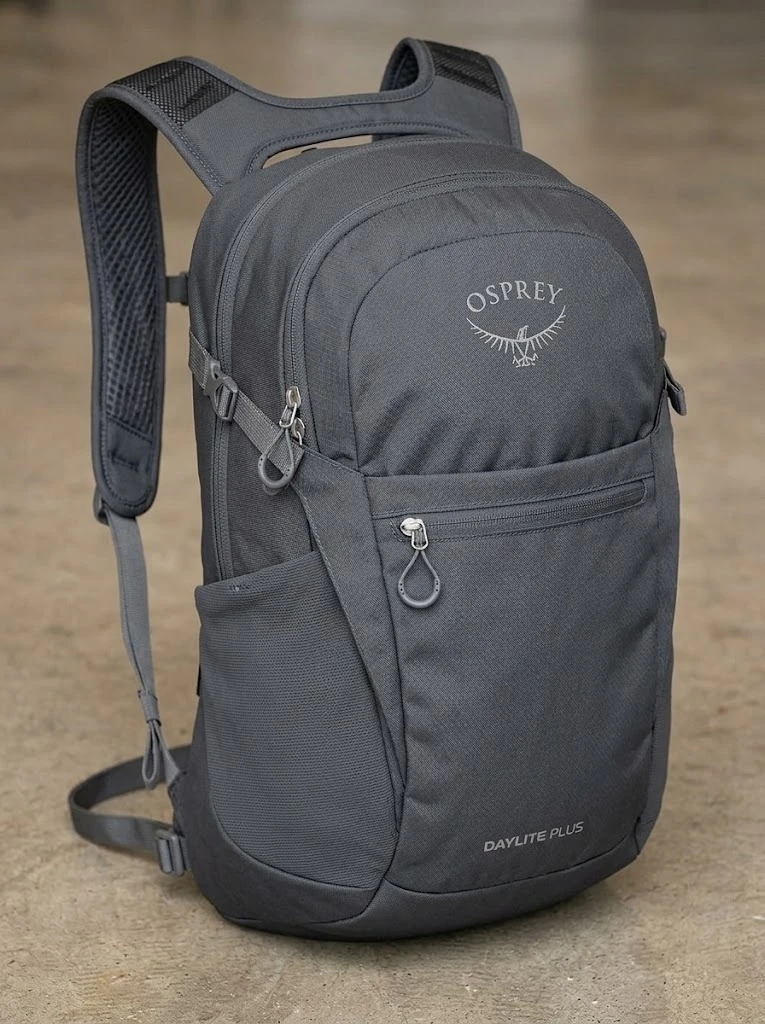
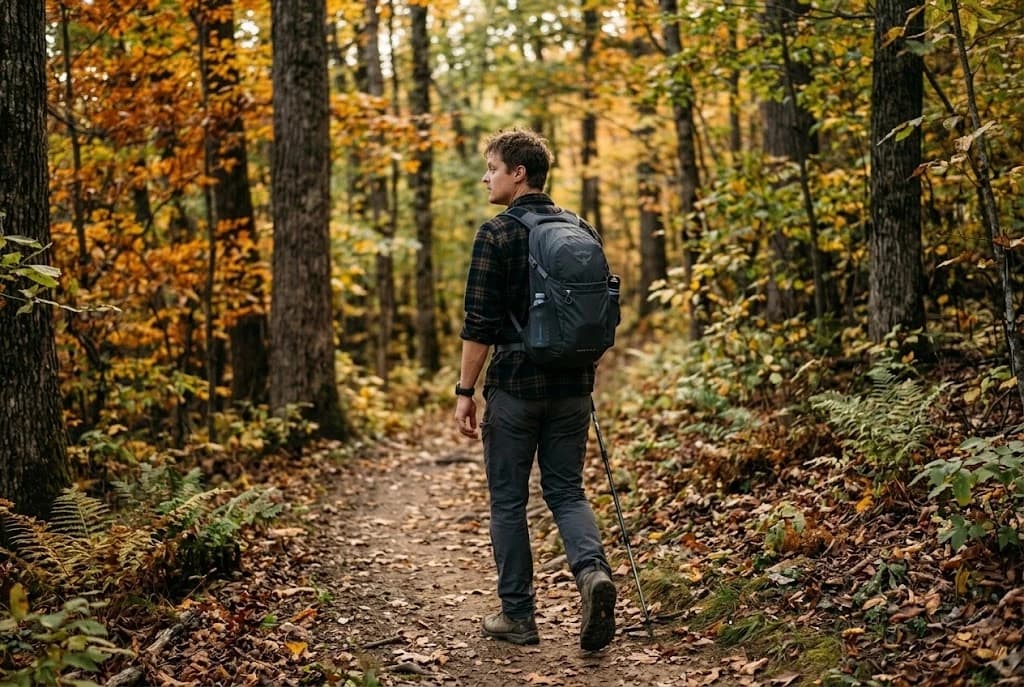
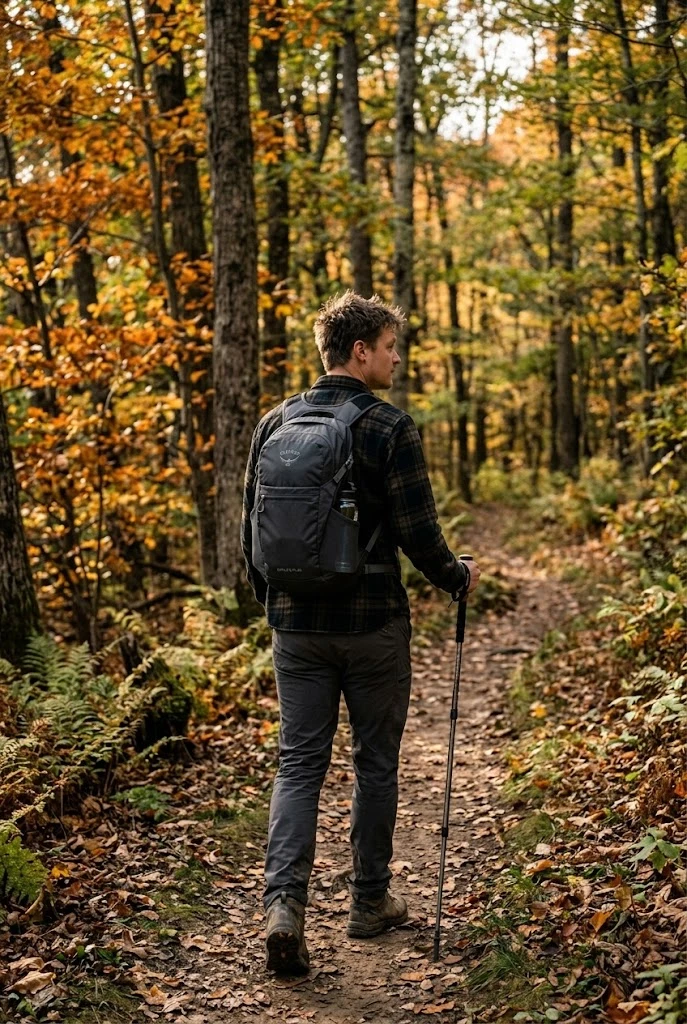
A 20-liter backpack can be a sensible everyday companion and still be the wrong choice for a particular hike. The Osprey Daylite Plus is worth considering if you want one compact bag for ordinary travel, errands and outings with a modest kit. The buying decision should start with everything your route requires, including the items you hope not to need.
Treat the capacity as a constraint to check, rather than a target to squeeze into. If your necessary clothing and supplies only fit after you remove something important, move to a different pack. This guide compares published features and practical selection criteria; it does not report personal testing or guarantee comfort for your body.
The linked version is Tunnel Vision Grey – Amazon Exclusive, listed as Gray OS under ASIN B0DSQM6PZH. Its listed capacity is 20 liters. The owner selected this gray variant; the supplied affiliate link is unchanged.
What the Daylite Plus offers
Osprey lists the Daylite Plus at 20 liters, with a panel-opening main compartment, two mesh bottle pockets, compression straps, front storage and an internal sleeve. The referenced model has an adjustable sternum strap and a removable webbing hipbelt. These are useful features to compare when you want convenient organization across everyday activities and lighter hikes.
A large opening may make it easier to find a layer without removing the entire load. Separate pockets can keep small items from settling beneath clothing. Those are potential benefits of the layout, not measured performance results. Check the exact listing and variant before ordering: similar names and photographs do not establish that two listings contain the same version.
Work out your load before choosing the volume
REI's daypack guidance places 11–20-liter packs among compact options and 21–35 liters in a versatile range for hiking and travel. These categories are starting points rather than safety rules. The National Park Service's Ten Essentials guidance reinforces the need to plan for navigation, weather, hydration, food and unexpected delays.
Make two piles at home: the equipment you expect to use and the equipment needed if the day becomes longer, colder or wetter. Pack both. Repeat the exercise with your bulkier seasonal clothing and the water containers you actually use, rather than empty bottles or a smaller demonstration kit.
Think about changes during the outing as well as the starting arrangement. A jacket worn at the trailhead may need room inside later. Food packaging and a wet layer still take space after lunch. Leave practical access for frequently used items instead of relying on a tightly compressed arrangement that only works once.
Where a compact crossover pack can fall short
A small pack is less attractive when you regularly carry bulky insulation, shared family supplies or specialized equipment. An external attachment can be useful for a specific item, but it should not become the default solution for everything that will not fit. Consider how loose items could move, catch or become difficult to retrieve.
The Daylite Plus webbing hipbelt should not be assumed to provide the same support as a more substantial padded carrying system. Compare loaded comfort directly. A pack that looks tidy when empty may pull on your shoulders once filled. Water-repellent fabric also does not establish waterproof protection for electronics or spare clothing; plan appropriate protection for the conditions.
Avoid buying solely because a bag appears lightweight or has enough pockets. The more useful questions are whether it carries your actual weight comfortably, whether the opening suits your packing habits and whether you can organize your kit without leaving essentials behind.
Alternative one: Deuter Speed Lite 21
Deuter lists the referenced Speed Lite 21 at 21 liters and 470 grams, with a recommended load of 2–5 kilograms. That makes it a close-capacity comparison for someone prioritizing a hiking-oriented pack. The manufacturer's stated load range is worth considering separately from volume.
The additional liter should not be treated as the solution to a substantially larger kit. Compare how your bottles, layers and small supplies fit in each bag, and how the loaded harness feels. A published weight difference cannot establish which bag will feel better to you. Check the exact edition rather than transferring specifications across every Speed Lite model.
Alternative two: Deuter AC Lite 24 Hydro
The referenced AC Lite 24 Hydro provides 24 liters, with Deuter listing 930 grams and a recommended 3–6-kilogram load. Its specified equipment includes an Aircomfort back system, padded hip fins, a detachable rain cover and a two-liter hydration system. It represents a different tradeoff: more capacity and included equipment, with more listed pack weight.
Consider this kind of option if your packing exercise exposes a genuine space shortage or you want to compare a different support system. Do not assume that four extra liters will fix every problem. Load the bag, check the fit and consider whether you would use its included equipment. Manufacturer figures describe the referenced model, not guaranteed comfort or suitability.
A useful fitting and packing check
Bring your normal kit when trying a pack where practical, or use a realistic equivalent load. Adjust the shoulder and chest straps, then walk, turn and bend. Notice pressure points, backward pull and whether the bag shifts more than you want. Check whether you can reach the items you use often without creating a precarious balancing act.
Open the pack and retrieve a jacket or small pouch. Put it back without carefully rebuilding the whole arrangement. Try the water containers in their intended pockets and check that they remain secure. Repeat with the clothing you would wear on the hike, since a fit checked over a thin shirt may feel different over extra layers.
Keep the purchase decision conditional: the Daylite Plus is a reasonable candidate when its compact storage and everyday organization match your needs. Choose more space or a different carrying system when your actual load demands it. No pack purchase replaces checking the route, forecast and local guidance before leaving.
Buyer checklist
- Verify the gray variant and 20-liter capacity on the listing.
- Try the pack with your normal load.
- Compare the two alternatives and your weather protection needs.
Questions people ask
Is this a firsthand product test?
No. This guide compares published specifications and practical buying criteria; it does not report personal testing.
Which color does the linked product use?
The owner-selected listing is Tunnel Vision Grey – Amazon Exclusive, ASIN B0DSQM6PZH.
Sources
- Osprey Daylite Plus specifications — checked October 19, 2026
- REI: How to Choose Daypacks — checked October 19, 2026
- National Park Service: Ten Essentials — checked October 19, 2026
- Deuter Speed Lite 21 specifications — checked October 19, 2026
- Deuter AC Lite 24 Hydro specifications — checked October 19, 2026
- Exact gray Amazon listing — checked October 19, 2026
Safety Notice: Outdoor conditions change — verify current trail, weather, access, and permit conditions with the official source linked on each listing before you go. AdvnturHub is not liable for outdoor risk. This page may contain affiliate links; AdvnturHub may earn a commission on qualifying purchases at no extra cost to you, per FTC disclosure requirements. See Privacy Policy, Terms of Service, and Affiliate Disclosure.
Featured product
The button below opens the exact product listing. Check the model, seller, and current terms before buying.
Osprey Daylite Plus 20L — Tunnel Vision Grey
A compact everyday and light-hiking candidate when your necessary kit fits comfortably.
- Pack all necessary layers, food, water and emergency supplies first.
- Compare loaded fit and access before choosing.
- Choose more space or support if your actual load requires it.