Salomon ADV SKIN 12: a practical trail-race buyer's guide
Match vest capacity and fit to the race requirements and training you actually have.
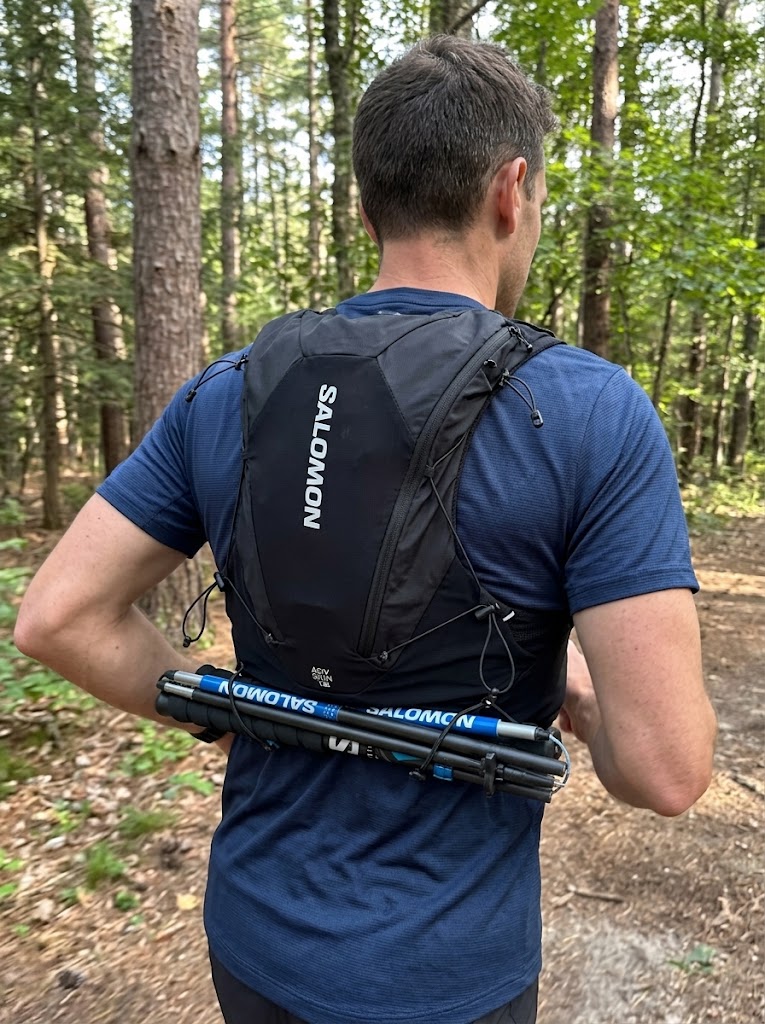
This guide was originally drafted for October 14, 2026 and first published during the October 18, 2026 website recovery. Trail-race planning has two different parts: selecting a course you can complete, and selecting the equipment needed to cover that course safely. The Salomon ADV SKIN 12 belongs in the second category. It is a high-capacity running vest for people who want accessible hydration, room for layers and food, and storage that can move with their body. A beginner signed up for a short, well-supported trail 5K may not need it at all. The right question is whether your actual route, weather and required gear justify carrying 12 liters of capacity.
This is a desk-researched product guide, not a hands-on field test. We have not weighed, worn, washed, raced in, fitted or purchased the specific black medium vest. We do not claim independently tested comfort, durability, bounce control or injury prevention. All product details below are attributed to the manufacturer and subject to exact edition and retailer verification.
What exactly is the proposed item?
Salomon's current U.S. product page identifies 12 liters of gear capacity, a listed weight of 9 ounces, SensiFit construction and a Y-shaped back. These are manufacturer specifications, not our measurements. The checked black model reference is LC2464300. Confirm the selected size, edition and package contents on the retailer page before ordering.
The purchase option below is the Salomon ADV SKIN 12 in black, Medium, ASIN B0DXPP6JB3. Medium is a vest size, not a promise that it will fit like a medium T-shirt. Use Salomon's body-measurement sizing guidance and check the offer's current selection before buying.
What a 12-liter vest does well, on paper
First is capacity for race requirements. A longer race may require a shell, emergency layer, gloves, nutrition, safety whistle, headlamp or water-carrying minimum. Check the organizer's latest mandatory-kit list, then compare the actual packable volume of your own equipment against the vest's accessible compartments. “12 liters” describes total nominal storage, not permission to exceed comfortable carry weight or a guarantee that every thick jacket will fit.
Second is front access during movement. A running vest can keep soft flasks, snacks and small essentials within reach. Salomon's official description emphasizes easy hydration and movement. Whether its pocket layout works for your hands, poles, phone and race nutrition is personal; confirm the physical layout rather than trusting an image or a reviewer who has a different body or pack load. There are tradeoffs: some runners strongly prefer a waist belt, hand bottles or a smaller vest for short sessions.
Third is adjustment and storage organization. Salomon describes a stretchy, supportive SensiFit-style construction and an updated Y-shaped back. These are manufacturer design claims, not independent proof that the vest eliminates bounce, rubbing or pressure. Try it with the flasks filled and a realistic packed load while walking, jogging and reaching overhead. Check seams under your arms and across the chest, then test whether the closure can be adjusted as bottles empty.
Hydration: do the planning before buying the vessel
Check the exact flask bundle, reservoir compatibility and sold-separately components in the selected retail offer before buying. Gear volume and water capacity are different measurements: 12 liters describes storage, not the amount of water supplied. Plan the actual water carry from the organizer's requirements, aid-station spacing and expected conditions. Do not assume the included containers meet every race's requirements.
Fit check: your body, layers and actual loaded test
Measure according to Salomon's official vest size chart. Bring the layers you expect to wear during the race. Check that breathing is unrestricted and the front closures remain comfortable on climbs. Put a realistic amount of fluid and layers inside, then jog for several minutes and inspect bounce, twisting and hot spots. Repeat after you eat some food and empty a flask to simulate weight redistribution. Make sure the vest doesn't obstruct your arm swing, number bib, poles or outer layer. Wash and dry it only in accordance with the care instructions. If possible, buy from a seller with acceptable return terms and verify those terms for the specific listing.
Any tingling, painful pressure, unusual shortness of breath or rubbing is a reason to stop and reassess rather than “break in” poor fit. Athletes with unique medical or accessibility needs should seek appropriately qualified personal advice. Test all systems well before race day.
Who should consider it?
A well-trained runner preparing for a long, self-sufficient trail event with meaningful mandatory equipment can reasonably shortlist a 12-liter option. It is especially relevant if accessible snacks, soft flasks and a packed shell are part of the plan. Even then, confirm required water capacity, temperature, emergency gear and aid spacing from the organizer. A technical mountain race and an exposed desert loop can demand quite different systems even at similar distances.
A runner doing a supported local 5K or 10K may be better served by existing clothing pockets or a smaller water-carrying option, depending on conditions and race rules. Bigger is not automatically safer. More capacity may tempt unnecessary packing, and carrying too much weight or a loose vest can compromise comfort. People between sizes, unusually broad or narrow chest shapes, or sensitive skin should prioritize hands-on fit over brand preference.
Two credible manufacturer-sourced alternatives
Salomon ACTIVE SKIN 8: the manufacturer's page specifies 8 liters of gear capacity. It is a useful comparison when a 12-liter vest feels excessive but accessible hydration and room for a layer still matter. Check its own size chart, exact edition and bundle rather than assuming the ADV SKIN fit carries over.
Osprey Duro 6: this is another manufacturer-listed running-vest alternative worth comparing for a leaner kit. Check the exact model's capacity, flask package and sizing on Osprey's page before ordering. A different harness shape may suit your body better even when the storage numbers look similar.
These alternatives are not a controlled head-to-head ranking. They represent different capacities and intended use cases. You may also need no vest for an accessible, short, well-supported outing.
An informed decision without hype
Start with the race. Read the official mandatory gear list and evaluate aid stations, terrain, expected weather, allowed bottles, cutoffs and logistics. Then build a personal packing checklist, test your running load and select the smallest system that meets your conditions with appropriate safety margin. Try on more than one shape if you can. Check the product's latest technical information on the manufacturer page, compare alternatives, and visit AdvnturHub's guides for broader route and packing preparation. Explore helps narrow general adventures but does not confirm race-entry availability.
Buyer checklist
- Read the organizer's current mandatory-kit list.
- Measure your chest using the manufacturer's instructions.
- Confirm the exact variant and return terms.
- Test the loaded vest before race day.
Questions people ask
Does a beginner need a 12-liter vest?
Only if the route, conditions and required kit justify that volume. Short supported outings may call for a smaller system or no vest.
Has AdvnturHub field-tested this vest?
No. This is manufacturer-sourced desk research and practical selection guidance, with an explicitly illustrative owner-supplied image.
Sources
Safety Notice: Outdoor conditions change — verify current trail, weather, access, and permit conditions with the official source linked on each listing before you go. AdvnturHub is not liable for outdoor risk. This page may contain affiliate links; AdvnturHub may earn a commission on qualifying purchases at no extra cost to you, per FTC disclosure requirements. See Privacy Policy, Terms of Service, and Affiliate Disclosure.